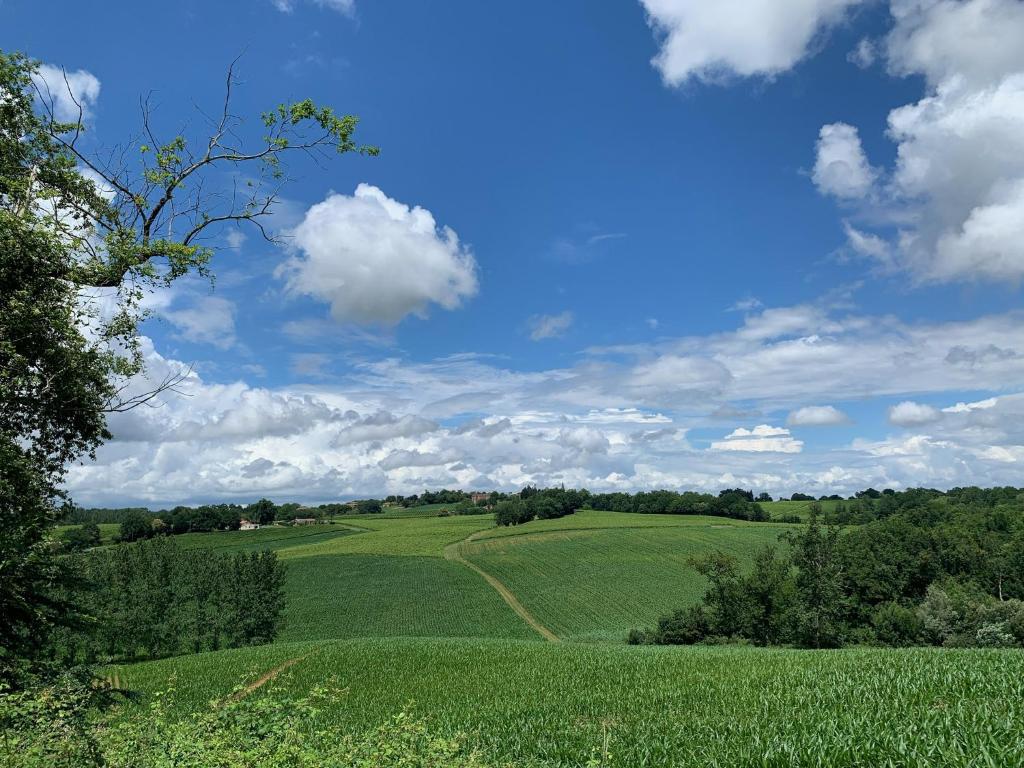
Auch
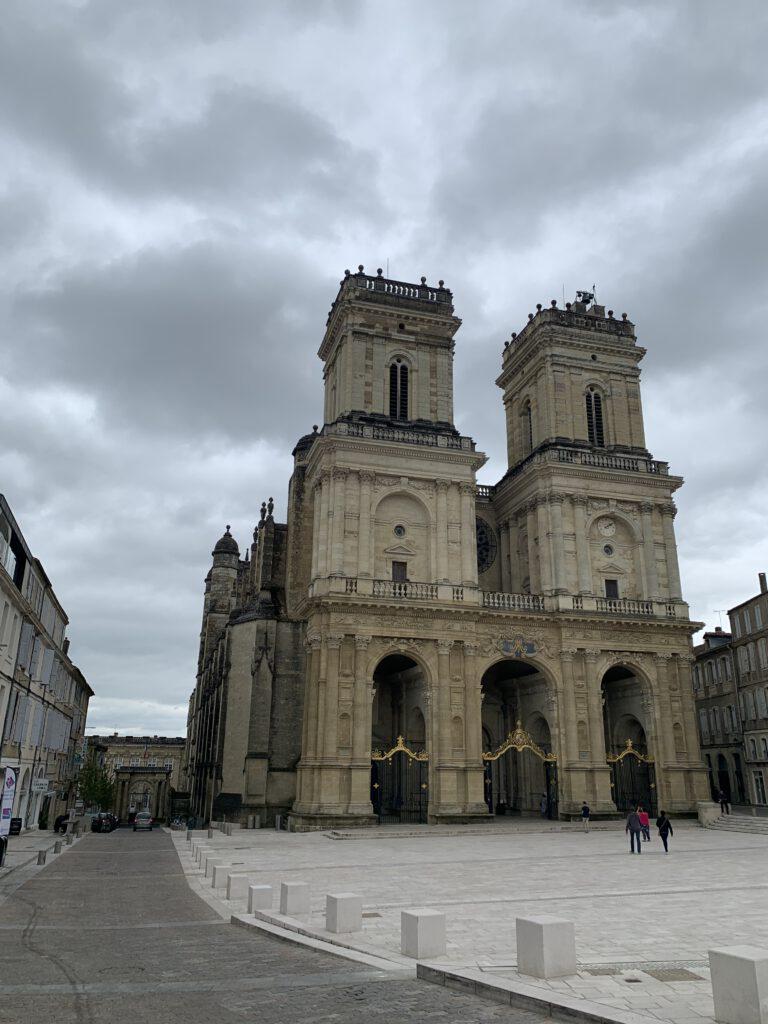
Gers is another town in the south-west of France that is known for its cathedral, half-timbered houses and Armagnac. Sainte-Marie Cathedral is a UNESCO World Heritage Site and impresses with its colourful stained glass windows and ornate choir stalls. The old town centre of Auch is surrounded by medieval walls and invites you to stroll and explore. Armagnac is a brandy distilled from grapes from the region. It is considered one of the oldest spirits in the world and is available in various ages. Gers is also an ideal place to experience the culture, history and gastronomy of south-west France.
Cazaubon
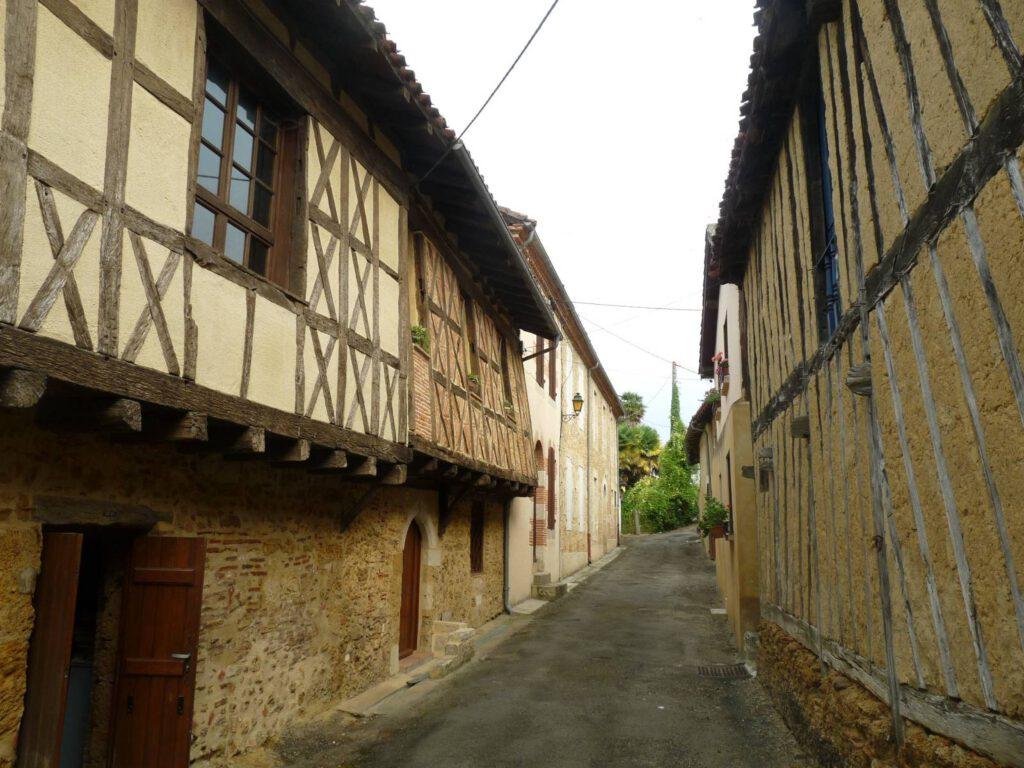
Cazaubon is a French commune in the department of Gers in the Occitanie region. It is located in the historical and cultural area of Bas-Armagnac, or Armagnac noir, between the valleys of the Auzoue, the Gélise, the Douze and the Midou. The municipality has around 1,700 inhabitants and is known for its thermal spa Barbotan-les-Thermes, which was already appreciated in Gallo-Roman times for the healing properties of its waters. Cazaubon also has a rich architectural heritage, such as the 12th century Saint-Pierre de Barbotan church or the 14th century Porte de Barbotan, both of which are classified as historical monuments.
Condom
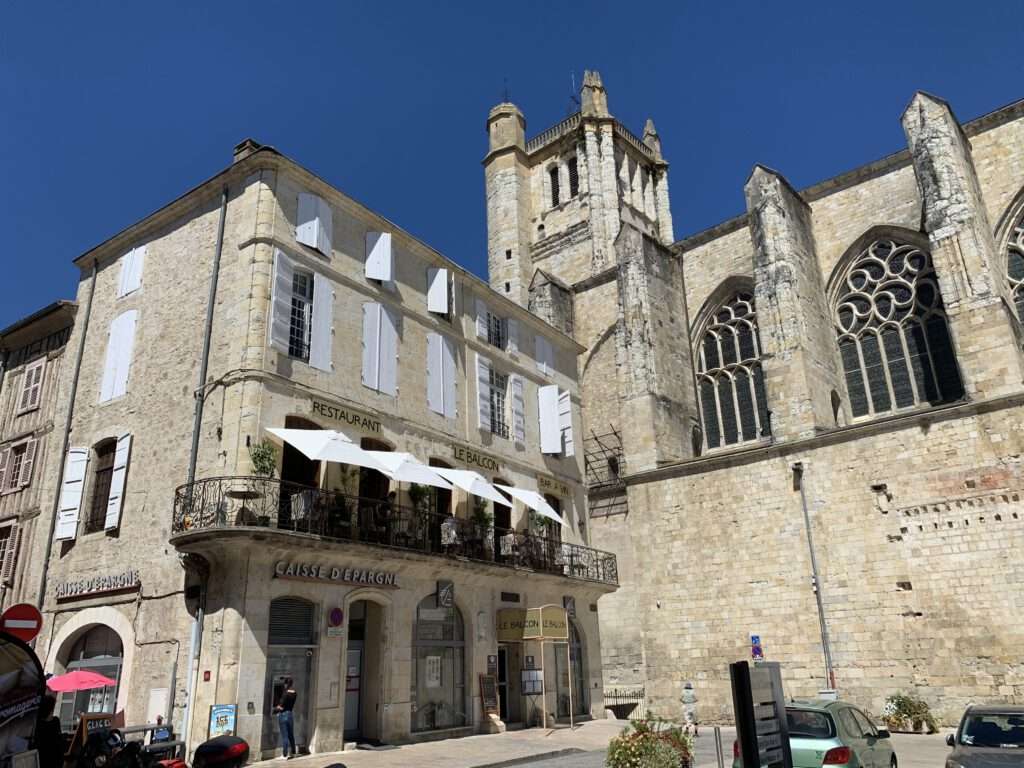
Condom is a town in the south-west of France, located in the department of Gers. It is the capital of the Ténarèze or Condomois region. It borders the Lot-et-Garonne department and is located between Armagnac and Agenais, on the banks of the river Baïse. Condom has a rich history and culture linked to Armagnac, the Way of St James and Saint-Pierre Cathedral. The town has around 6,500 inhabitants.
Eauze
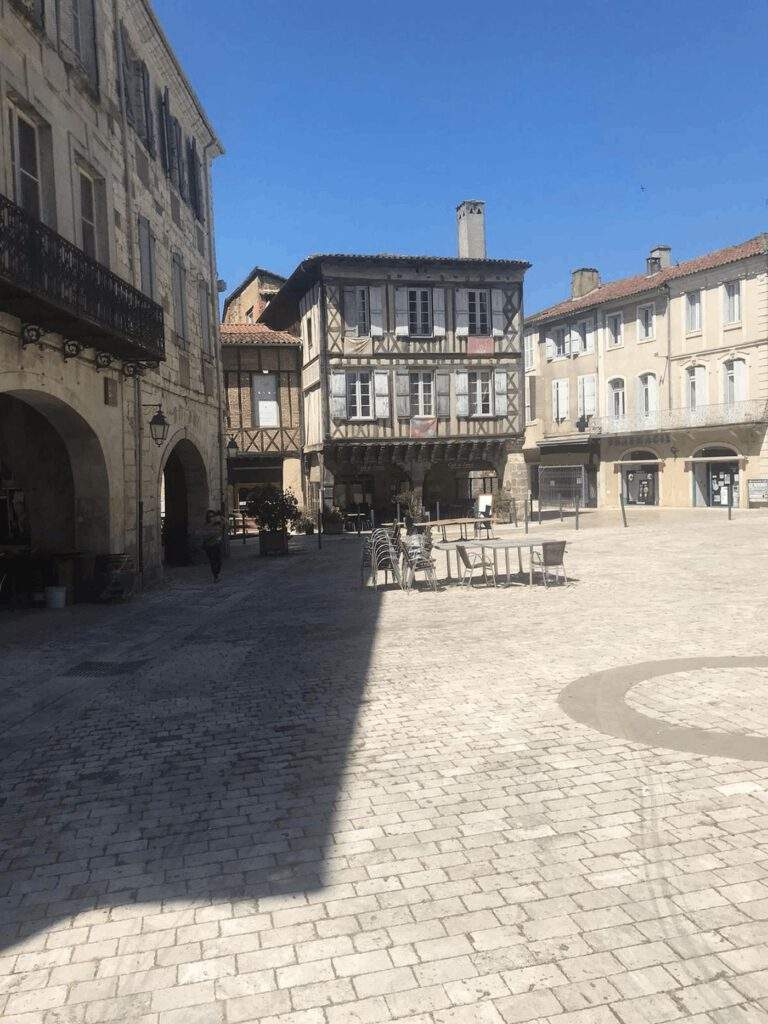
Eauze is a French commune in the department of Gers in the Occitanie region. It has around 4000 inhabitants and is known for its Roman ruins and Armagnac wine. Eauze was the capital of the ancient province of Novempopulana, which stretched from the Atlantic to the Pyrenees. Today, Eauze is a popular holiday destination for culture and nature lovers.
Labastide-d’Armagnac
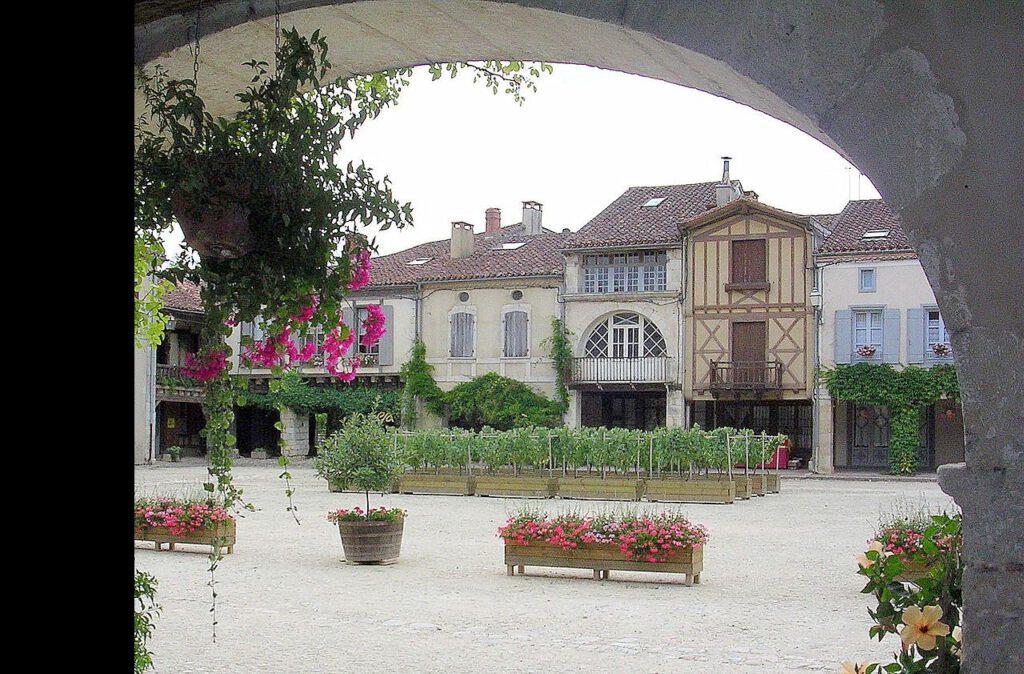
Labastide-d’Armagnac is a small town in the Landes department in the Nouvelle-Aquitaine region. It is located in the east of the department, in the historic landscape of Bas-Armagnac.
The town was founded in the 13th century as a bastide and has a rectangular shape with a central Place Royale surrounded by arcades. The town has around 680 inhabitants and belongs to the Petites Cités de Caractère, which are characterised by their cultural heritage and quality of life.
Labastide-d’Armagnac is also known for its Armagnac production and its religious buildings, such as the Notre-Dame-de-l’Assomption church and the Notre-Dame-des-Cyclistes chapel.
Lupiac
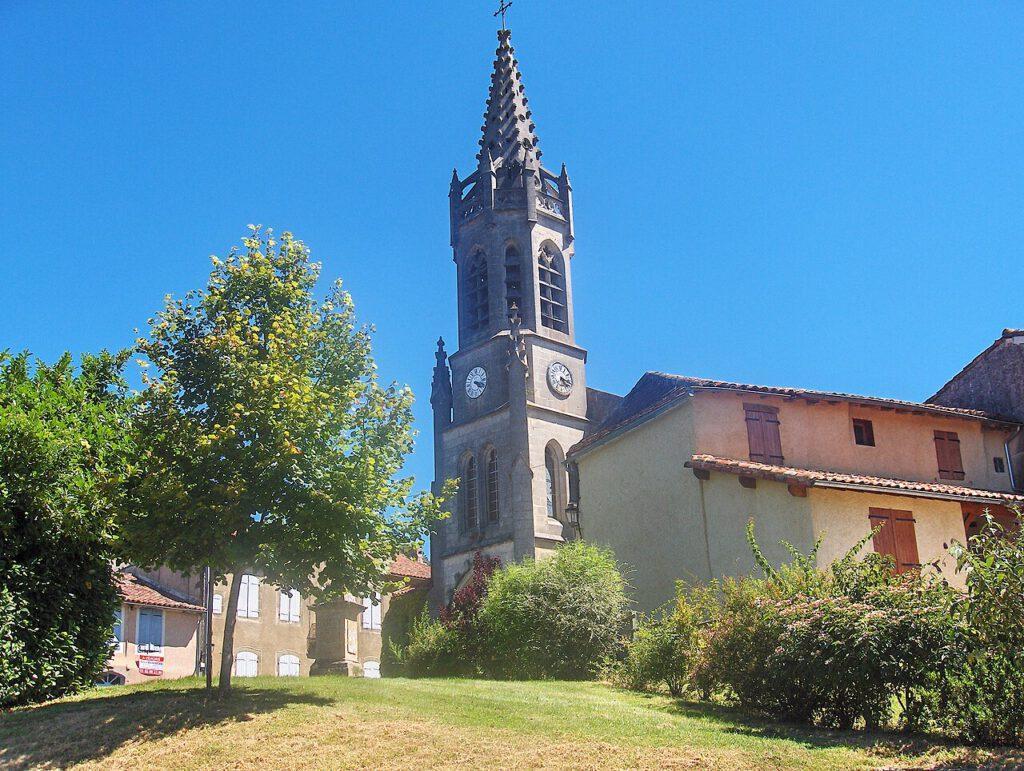
Lupiac is a small town in the south of France that is best known for its famous son: Charles de Batz de Castelmore, better known as D’Artagnan. He was one of the legendary musketeers in the service of King Louis XIII and Cardinal Richelieu. His adventures were immortalised by Alexandre Dumas in his novel “The Three Musketeers”. Lupiac honours its hero with a museum, a statue and an annual festival that recreates the atmosphere of the 17th century.
Nogaro
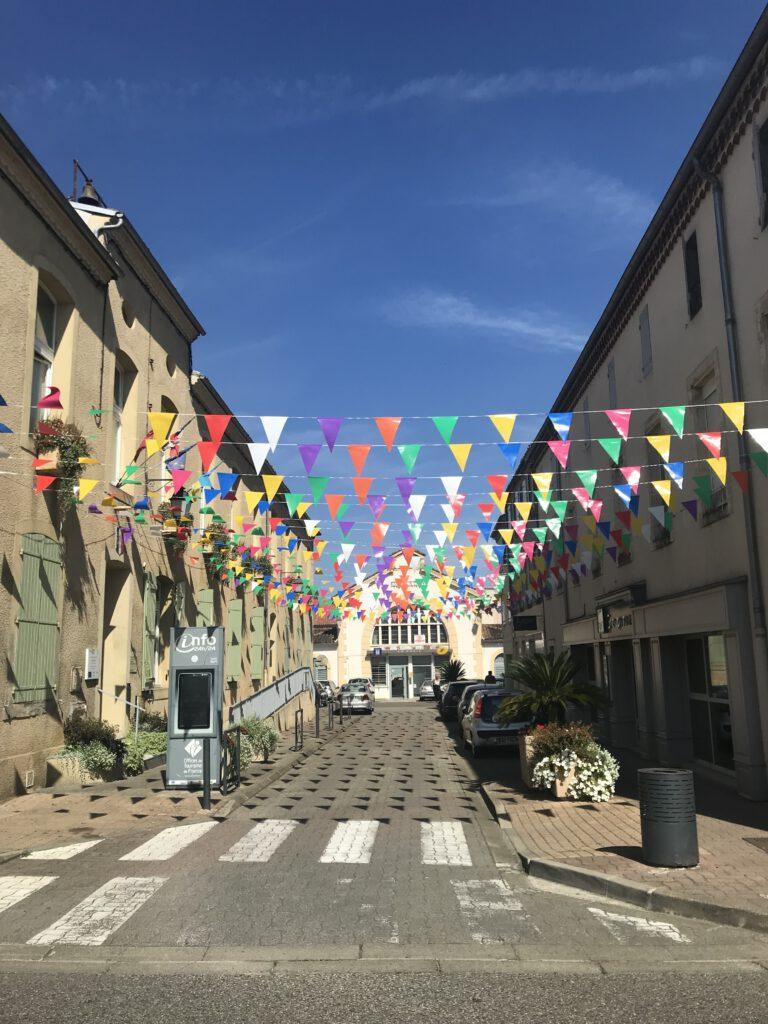
Nogaro is a French commune in the department of Gers in the Occitanie region. It has around 2000 inhabitants and is located in the historical and cultural region of Bas-Armagnac, which is famous for its brandy. Nogaro was founded in the 11th century and has a Romanesque collegiate church of Saint-Nicolas, which is one of the best fortified churches in the region. Nogaro is also an important place on the Way of St James to Santiago de Compostela. In addition to its cultural and gastronomic heritage, Nogaro also offers a wide range of leisure activities, such as a race track, an aerodrome and hiking trails.
La Romieu
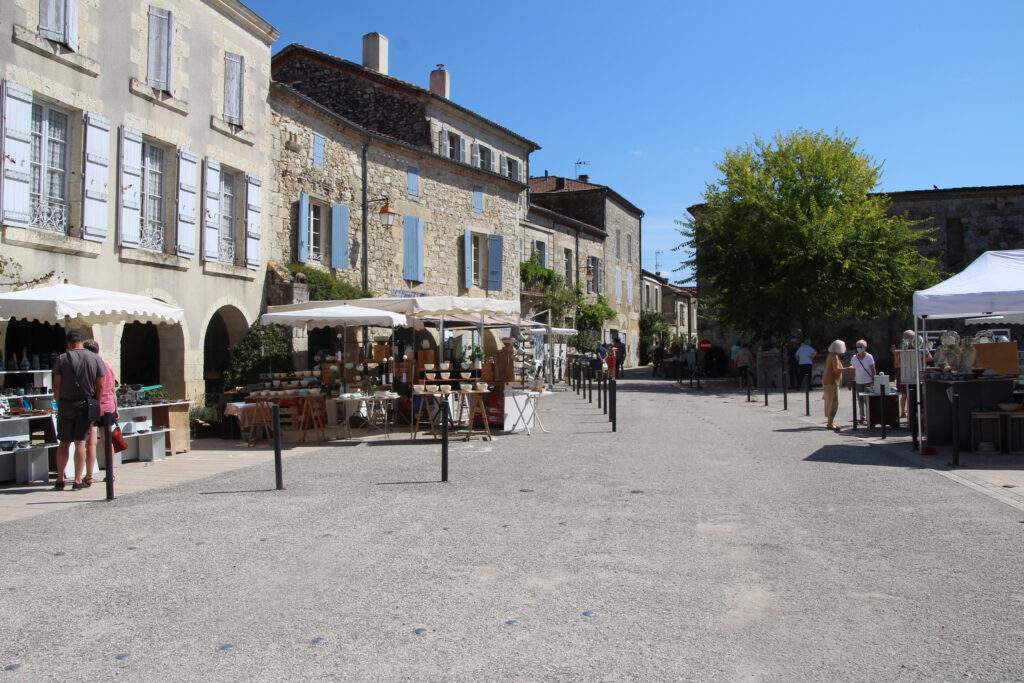
La Romieu is a small town in the north of the Gers department in the Occitanie region. It is one of the “Most Beautiful Villages in France” and has fewer than 600 inhabitants. The name “Romieu” comes from the Gascon word “Roumieu”, which means “pilgrim of Rome”.
The town was founded in the 11th century by two monks returning from a pilgrimage to Rome. La Romieu is located on the historic Lectoure-La Romieu-Condom route, which is part of the Way of St James. The most important sight is the 14th century collegiate church of Saint-Pierre, which has a cloister and a tower.
The town is also known for its roses, which grow in the alleyways and at the foot of the church. Nearby are the gardens of Coursiana, which are classified as a “Remarkable Garden”.
Sainte-Christie-d’Armagnac
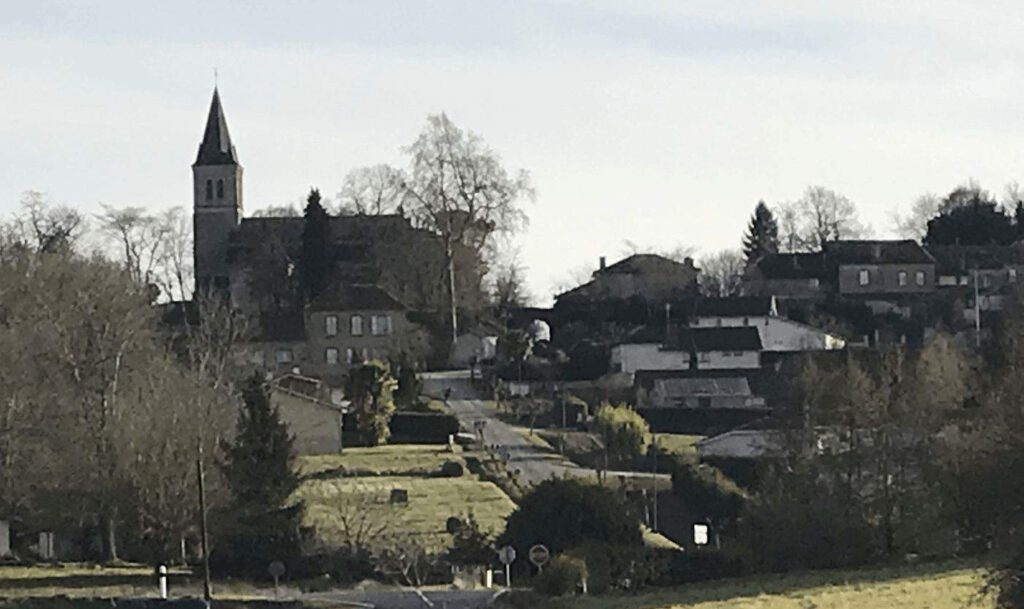
Sainte-Christie-d’Armagnac is a French commune in the department of Gers in the Occitanie region. It has 374 inhabitants (as of 1 January 2020) and is located around 25 kilometres north-east of Aire-sur-l’Adour.
The municipality is part of the historical and cultural area of Bas-Armagnac, which is known for its wine production. The Douze, a tributary of the Midouze, forms the north-eastern border of the municipality.
The sights of Sainte-Christie-d’Armagnac include a prehistoric burial mound, a church from the 12th century, a castle ruin from the 13th century and a windmill ruin from the 18th century.
Vic-Fezensac
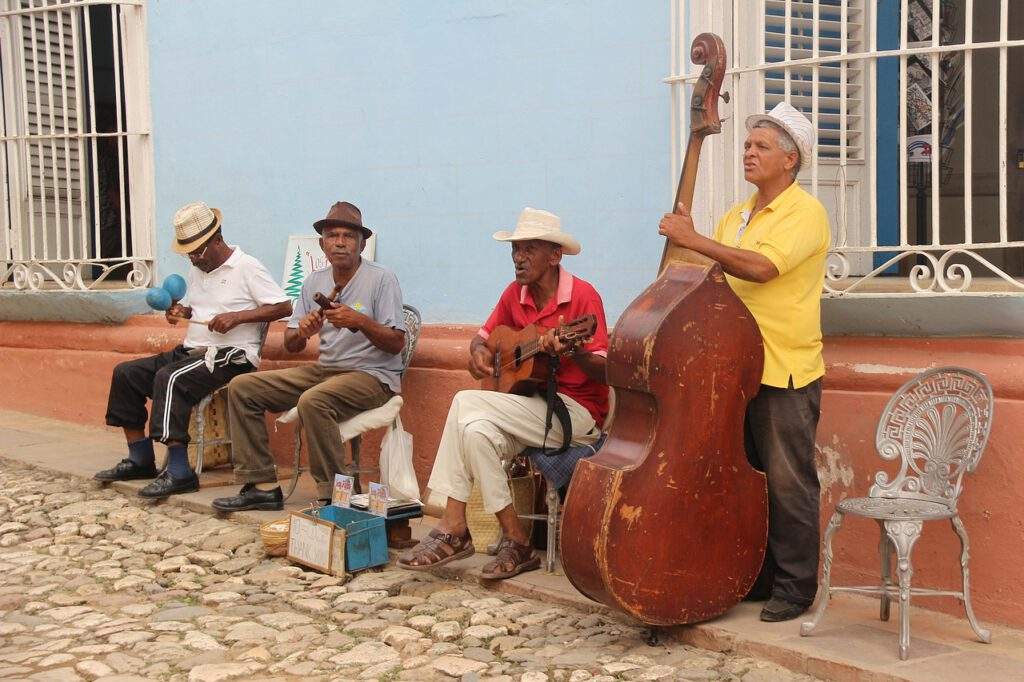
Vic-Fezensac is a town in the Gers department known for its bullfights and its Tempo Latino festival. The festival is the largest European festival of Latin American and Afro-Cuban music, which takes place every year at the end of July. It offers concerts, workshops and dance events in the arenas, the Conga and the Cap Tempo. Visitors can let themselves be carried away by the rhythms and sounds from Cuba, Puerto Rico, Colombia, Venezuela, Panama, Africa, the USA, Europe and Japan. The Tempo Latino festival is a cultural encounter between Occitania and the world of Latin music.
Palaces / Castles / Monasteries / Churches
Abbaye de Flaran
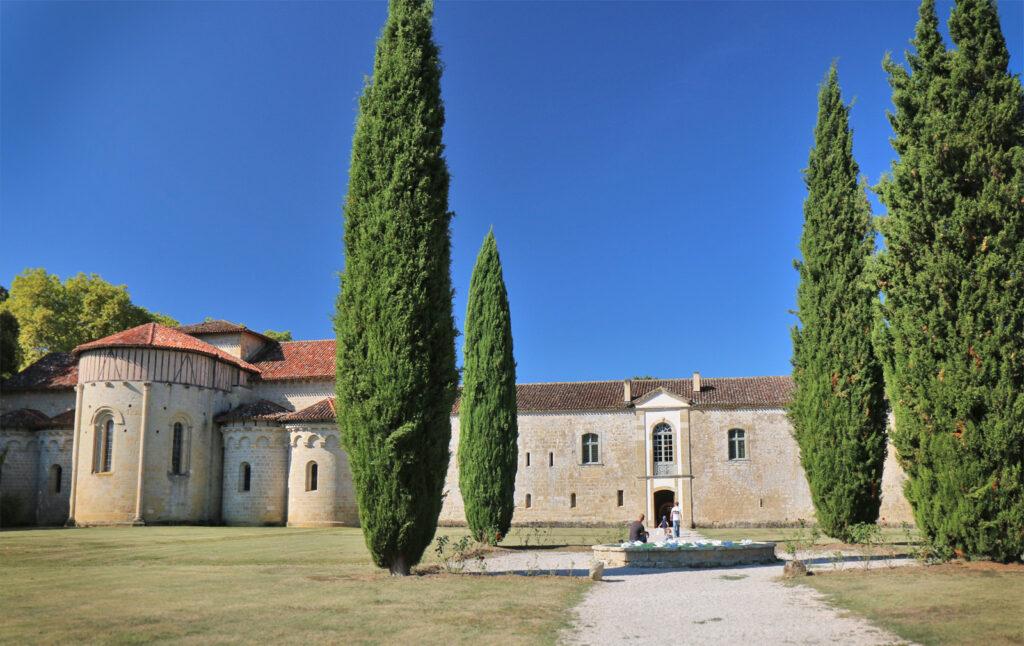
The Abbaye de Flaran is a former Cistercian abbey in the municipality of Valence-sur-Baïse in the Département of Gers, Occitania region, in France. It was founded in 1151 and is one of the best-preserved monasteries in south-west France. The abbey now houses two historical exhibitions, one about the routes to Santiago de Compostela and the other about the history of the abbey itself. You can also admire the Simonow collection, which includes around 100 works of art by famous artists such as Monet, Picasso, Renoir and others. The abbey is located in a beautiful landscape on the Baïse river and is a popular destination for hikers and cyclists.
Collégiale Saint-Pierre la Romieu
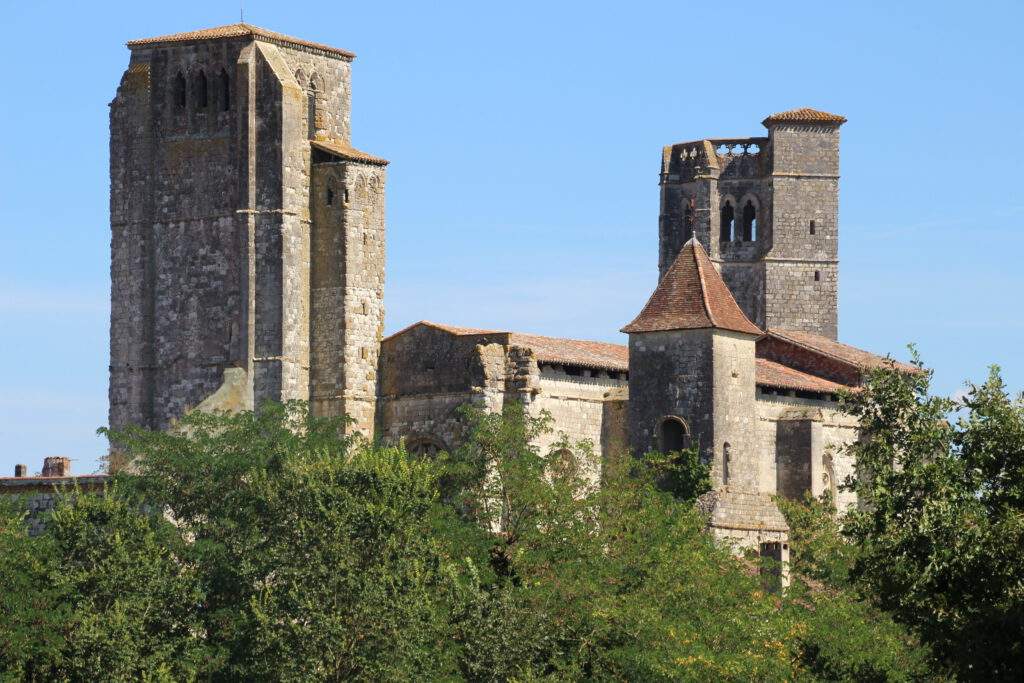
The collegiate church of Saint-Pierre de La Romieu is an ensemble consisting of a cloister, a church, two towers and the remains of an old palace. It is located in the village of La Romieu in the north of the Gers department in France. The church and cloister have been protected as historical monuments since 1901 and declared a UNESCO World Heritage Site in 1998 as part of the Way of St James.
The collegiate church was founded by Arnaud d’Aux de Lescout, the son of a rich lord of the village, who rose to become an influential cardinal of the papal curia under the protection of his cousin Pope Clement V. He had his collegiate church and cloisters built by Arnaud d’Aux de Lescout. He had his collegiate church and the palace belonging to it built in just six years from 1312 to 1318. The building, which is a stop on the Way of St James, has a long and high nave with four bays flanked by two towers: one square is the bell tower, while the other, octagonal, contains the sacristy, the former chapter house, the archive room and the viewpoint, from bottom to top. In the sacristy, the magnificent 14th century wall paintings are an exceptional and rare treasure.

Monastery of Bassoues
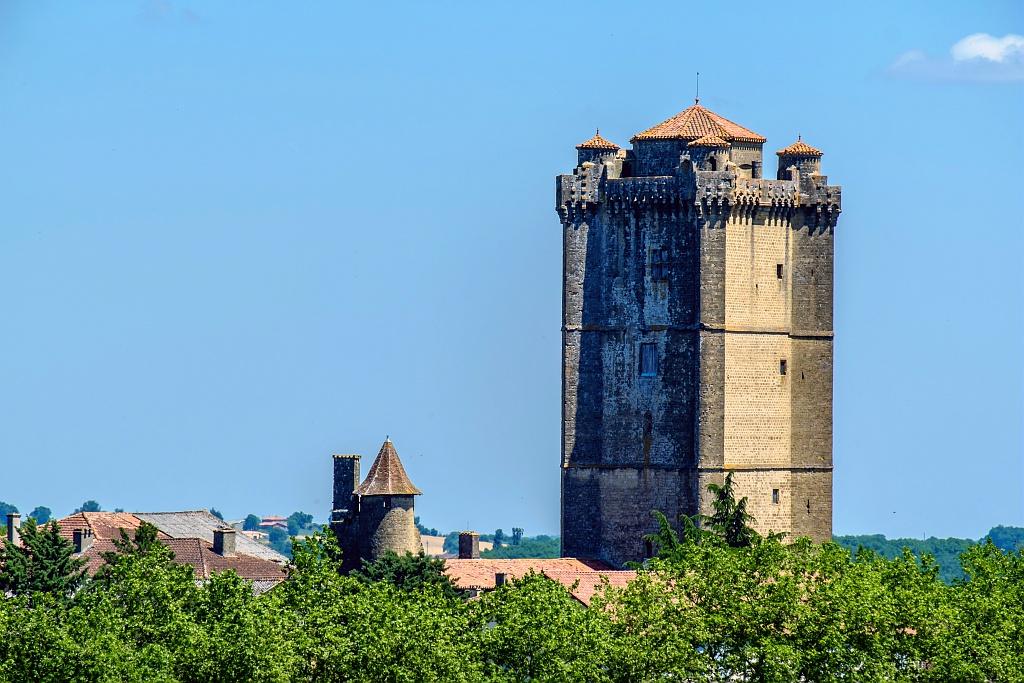
The monastery of Bassoues is a historical site in the French commune of Bassoues in the Gers department. It was founded in the 11th century and is dedicated to Saint Fris, a local martyr from the 8th century. The Saint-Fris basilica is an impressive example of Romanesque architecture with an octagonal bell tower and a Gothic choir. The monastery also houses a relic of Saint Fris, which is carried in procession through the village every year on 8 October.
Larressingle
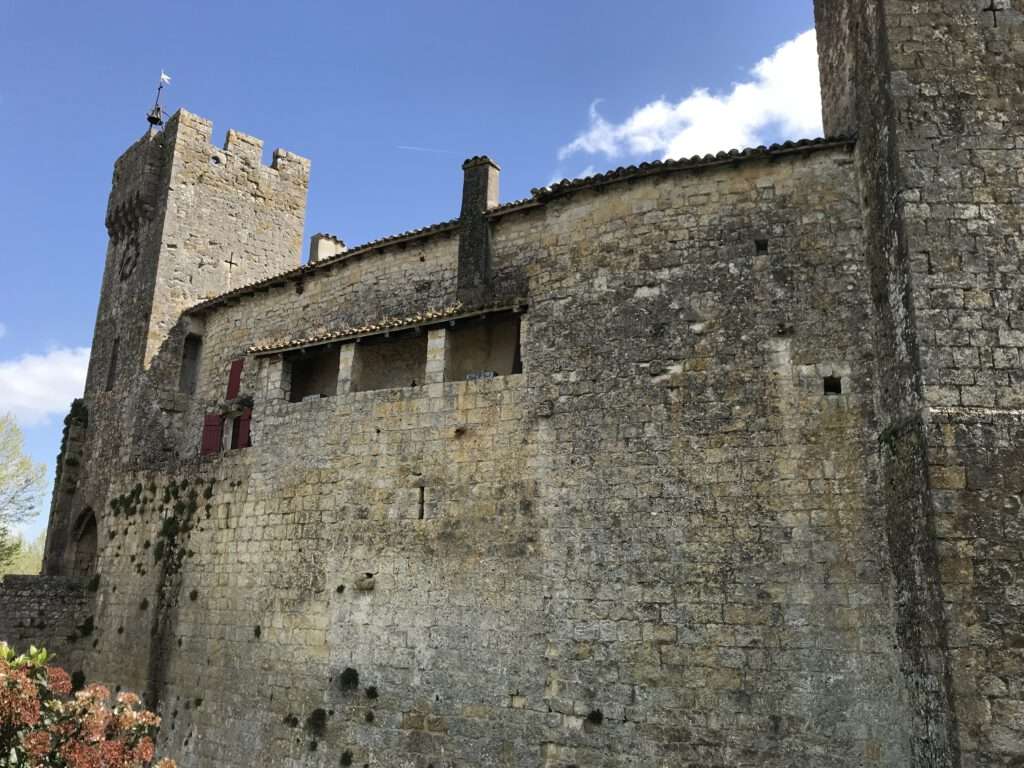
Larressingle is a small village in the Gers that is one of the most beautiful villages in France. It is also known as the “little Carcassonne du Gers” because it is surrounded by an impressive 13th century fortified wall, reminiscent of the famous citadel in the Aude. Larressingle was the seat of the bishops of Condom in the Middle Ages and is now the most visited destination in the Gers. In the village, you can visit the remains of the castle, the church with two naves, the medieval houses and the siege camp with replicas of war machines. Larressingle is located in the heart of the Armagnac vineyards and offers an ideal setting for savouring the charm and gastronomy of Gascony.
Castelmore Castle
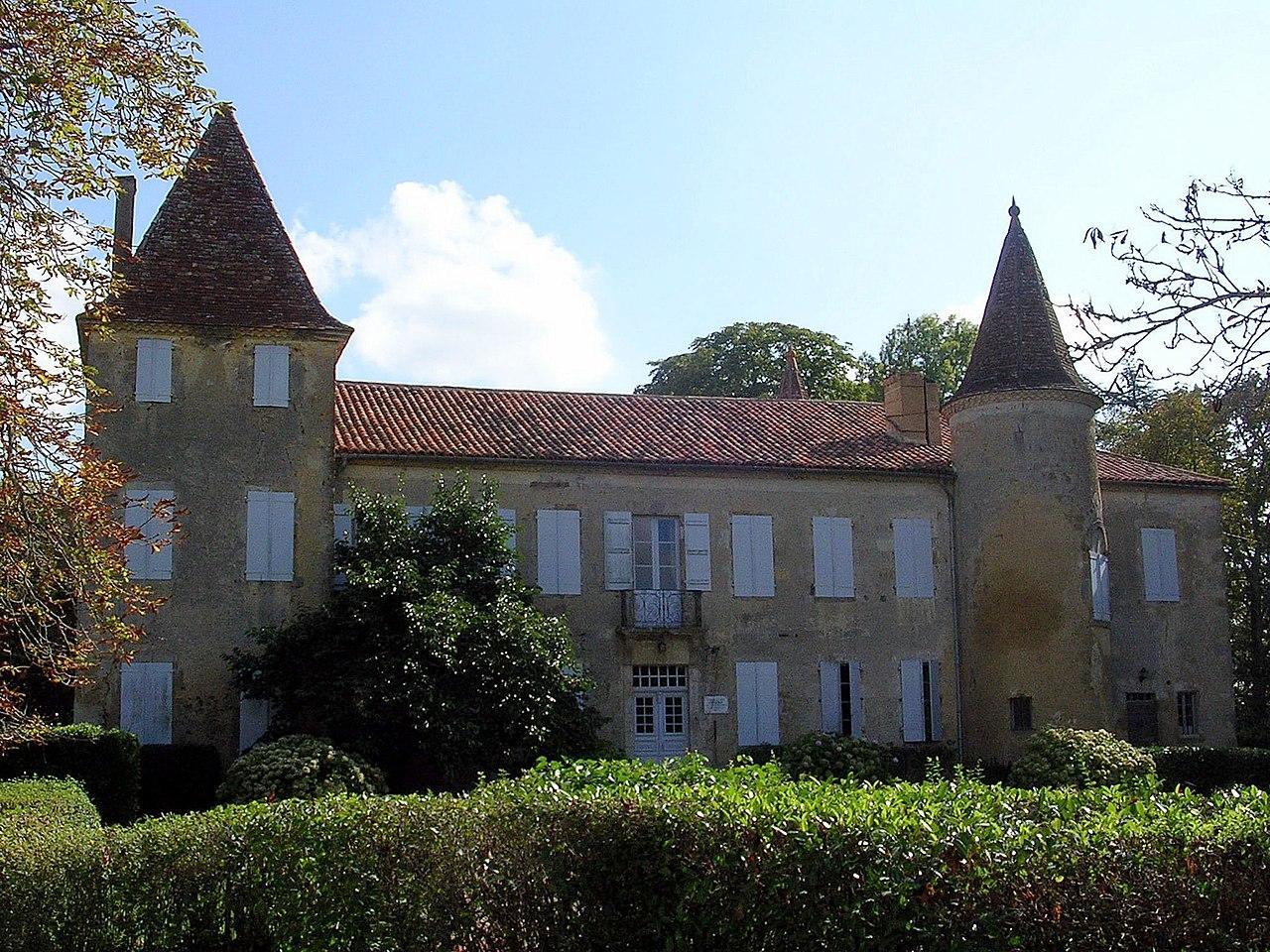
Castelmore Castle is a historical monument in the commune of Lupiac in the department of Gers in the Occitanie region. It is known as the birthplace of Charles de Batz-Castelmore, better known as Comte d’Artagnan, a famous musketeer under Louis XIV who inspired the novel The Three Musketeers by Alexandre Dumas. The castle was built in the 15th century and remodelled in the 17th century. It is surrounded by a park with ancient trees and houses a museum dedicated to the life and adventures of d’Artagnan. The castle is open to visitors and offers guided tours, exhibitions and events.
Tower of Termes-d’Armagnac
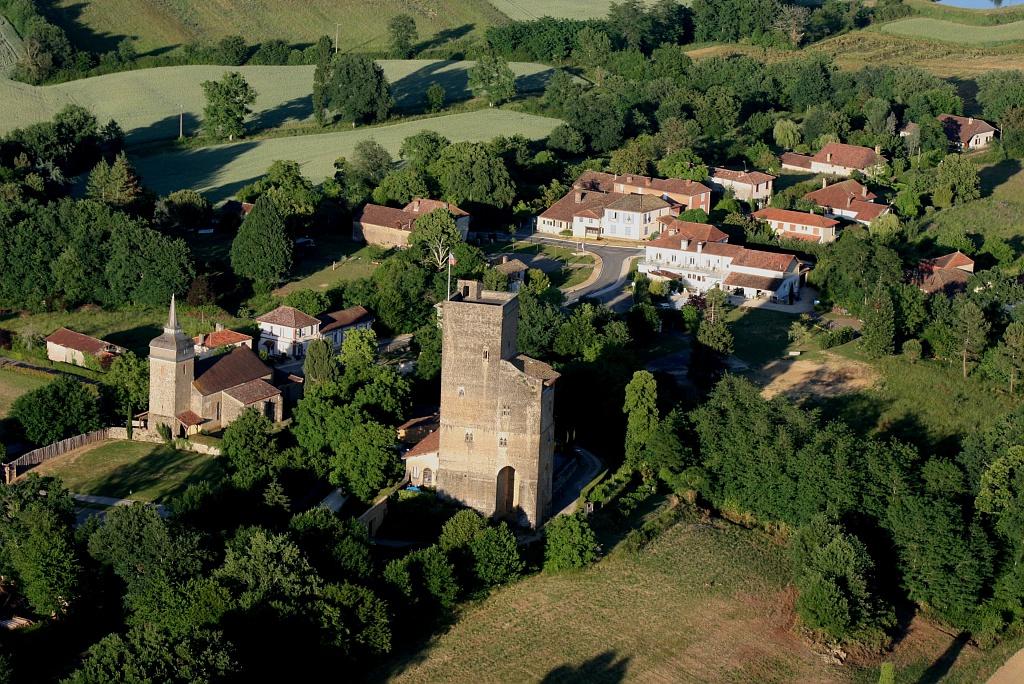
The Tower of Termes-d’Armagnac is a historical monument in the department of Gers in the Occitanie region. It is the only surviving part of the former castle of Thibault de Termes, a companion of Joan of Arc. The tower was built in the 13th century and is 36 metres high. It houses an exhibition on the Middle Ages, local culture and the history of the castle. From the top of the tower, you have a magnificent view of the Adour valley, the Pyrenees and the surrounding villages. The tower is a popular destination for tourists and culture lovers who want to learn more about the region’s past.
Gardens / parks
Jardins de Coursiana
The Jardins de Coursiana are a botanical garden near La Romieu in the Gers department in France. They were founded in 1974 by Gilbert Cours-Darne and comprise four different gardens: an English garden, a French garden, a vegetable garden and an arboretum. The Jardins de Coursiana are home to more than 700 plant species from all over the world, including rare trees, shrubs, flowers and herbs. The Jardins de Coursiana are a place of peace, beauty and discovery, open to visitors from April to October.